


Availability for pickups could not be loaded.
-
Discover our range
From premium hay to snacks and bedding – browse our diverse product range. Now also available in convenient 1kg portions.
-
Fresh from the farm
Our hay and straw come directly from our natural meadows – no detours, no additives. Species-appropriate nutrition for your animal.
-
Questions? We're happy to help.
Our team offers personal advice Monday-Saturday from 8:00 AM to 5:00 PM at 09275/9727173 or via our contact form.
Meine Meerschweinchen lieben es.
Wird sehr gerne als gesunder Snack zwischendurch gegessen
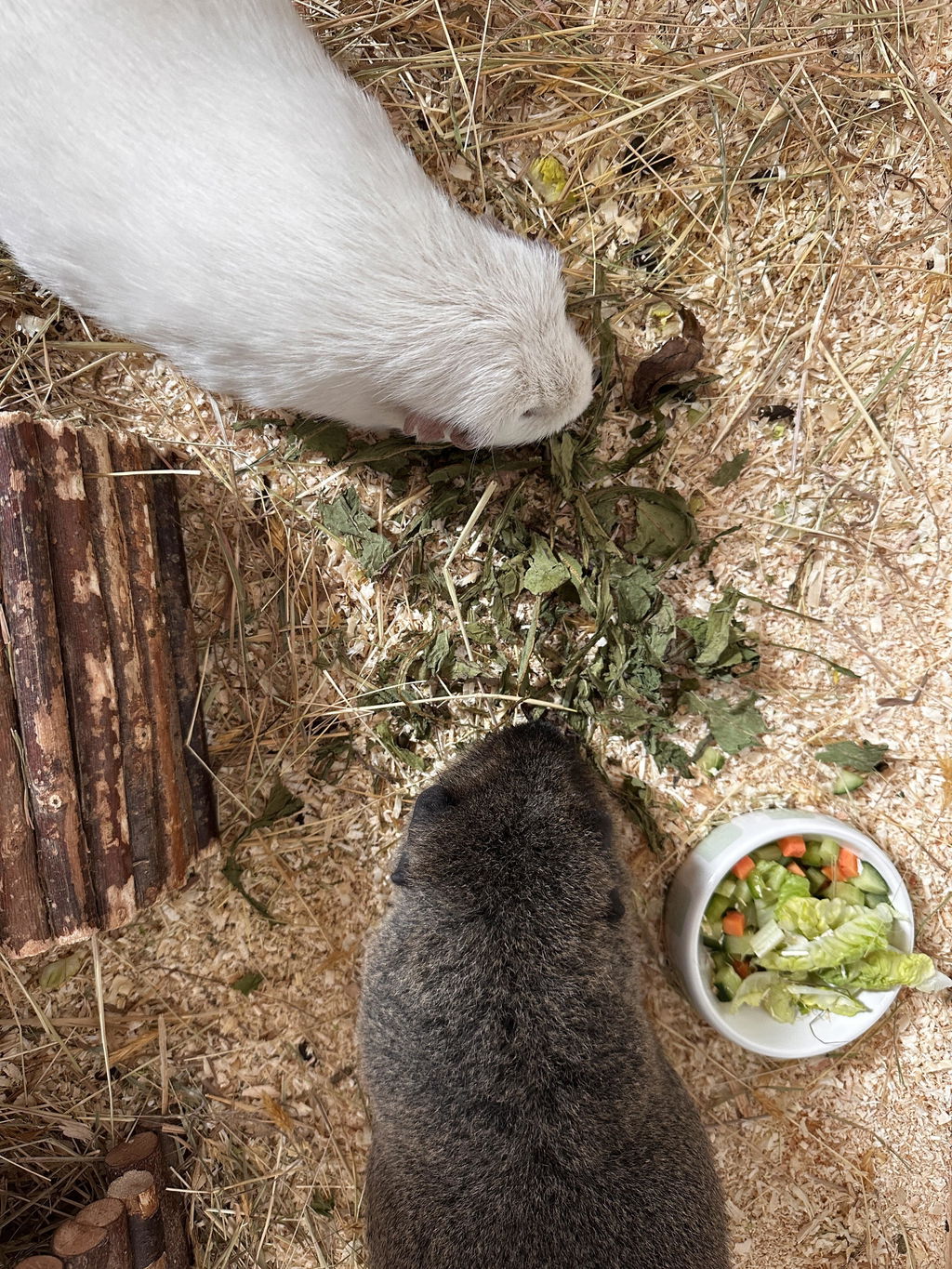
Den Meerschweinchen schmeckts und die Lieferung verlief ohne Probleme.
Sie scheint sehr gut zu schmecken :-)
Schnelle Lieferung, gute Qualität
Grundsätzlich scheint es zu schmecken. Aber ich hatte mir mehr größere Teile gewünscht. Die Kleinen bleiben liegen. Ich muss schon viel wegschmeißen.
Klare Kaufempfehlung
Super
Einfach top!!!!!!!
Das Löwenzahn ist der Hammer! Es ist schön größ und preis leistungs verhältnismäßig passt es einfach perfekt. Unsere Chinchillas sind sehr wählerisch und mögen klein Kram garnicht, daher ist das Löwenzahn einfach perfekt für die kleinen :D
Ich kann aufjedenfall sagen das es Chinchilla getestet wurde und bestanden hat
Super Qualität... Jederzeit wieder
Toller Snack für meine Mümmels!!!! Gesund!! 😉
Heiß begehrt bei unseren Schweinchen- obwohl frischer natürlich noch begehrter ist😅
Die Einkäufe bei Hei Tom klappen immer schnell und ohne Probleme. Qualität top!
Unsere Schweinchen sind begeistert!!
MEINE ZWERGKANINCHEN LIEBES SEHR DANKE
My guinea pigs loved thedandelion forage, I sprinkle some on top of their hay. Good value as quite a lot in the bag.
Unsere Kaninchen lieben den Löwenzahn.
Alle Produkte von Heu-Tom sind von super Qualität.